Introduction
Digital pathology is a rapidly growing field that is transforming the way pathology is practiced and researched. The use of digital imaging and image analysis technologies in pathology allows for faster, more accurate, and more efficient diagnoses, as well as new opportunities for research. In this article, we will explore the benefits of digital pathology, the technology behind it, and its current and future applications.
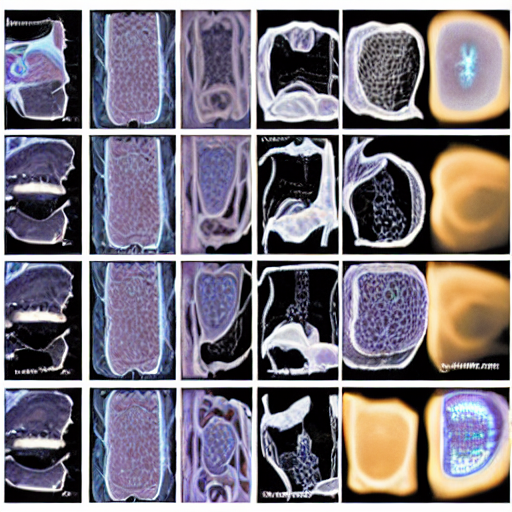
Overview of Digital Pathology Technology
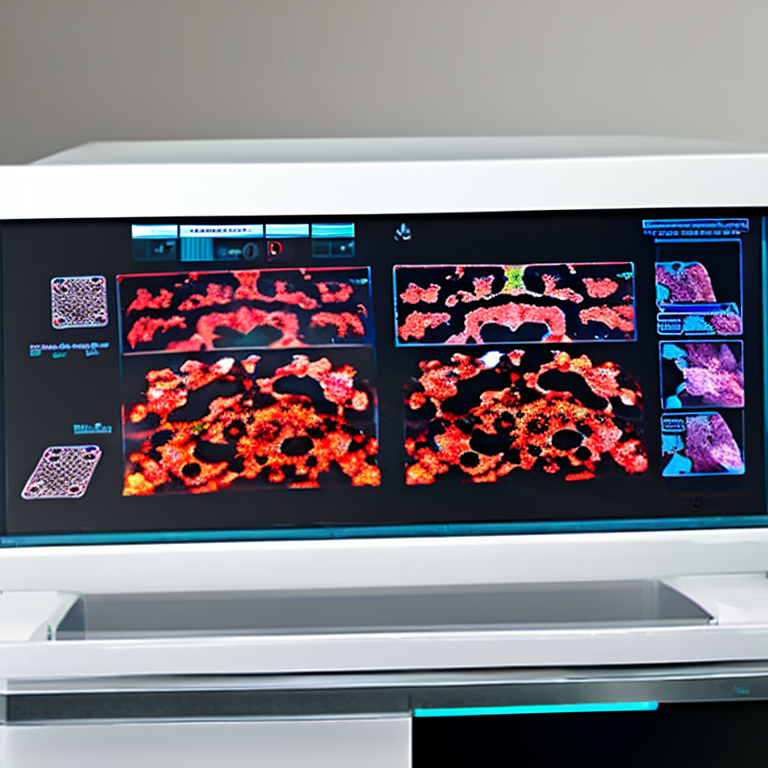
Digital pathology uses digital imaging technology to capture high-resolution images of tissue samples, which can then be viewed, annotated, and analyzed on a computer. The technology includes digital slide scanners, which convert glass slides into digital images, and image analysis software, which can be used for tasks such as counting cells, identifying patterns, and detecting disease.
Use Cases for Digital Pathology
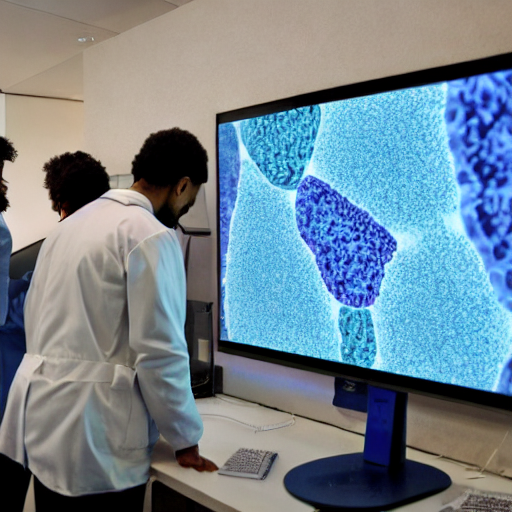
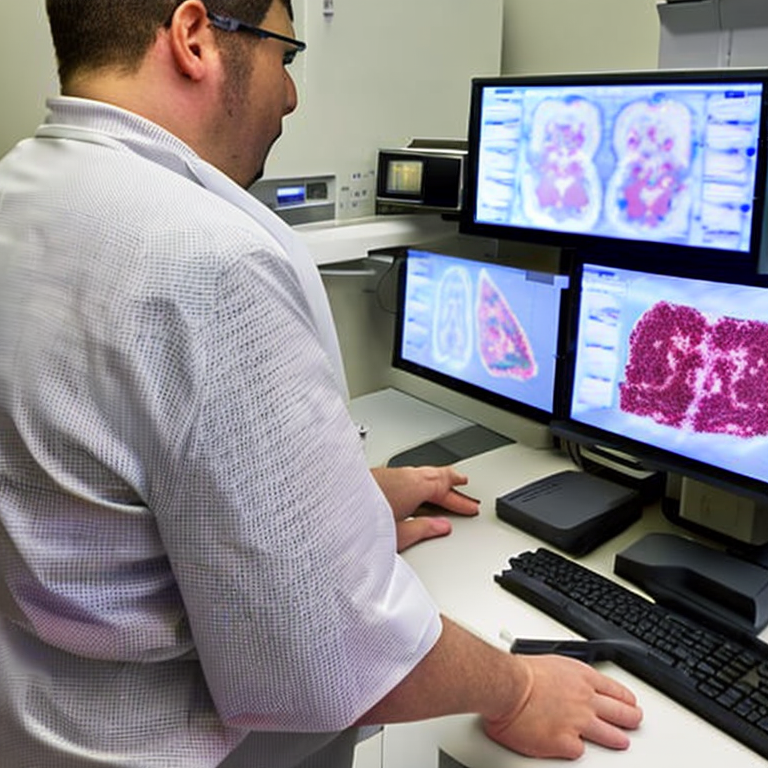
One of the main benefits of digital pathology is the ability to share images and information easily, which can improve collaboration and increase the speed of diagnoses. This is especially important in remote or underserved areas, where access to a pathologist may be limited. Digital pathology is also useful in medical research, as it allows for the collection and analysis of large amounts of data. This can be used for tasks such as drug development, identifying new biomarkers, and understanding disease mechanisms.
Impact on Pathology Workflow
Digital pathology can also improve the efficiency and accuracy of pathology workflows. For example, digital images can be reviewed remotely, which allows for the rapid exchange of information and expertise. Digital images can also be stored and accessed electronically, which eliminates the need for physical storage and allows for easy retrieval.
Challenges and Limitations
One of the main challenges of digital pathology is the need for high-resolution images, which can be challenging to obtain. Additionally, image analysis software can be complex and difficult to use, which can limit its application. There are also concerns about the accuracy and reliability of digital diagnoses and the potential for data breaches.
Current and Future Developments
The field of digital pathology is constantly evolving. One of the main areas of development is in the use of artificial intelligence and machine learning to improve the accuracy and speed of diagnoses. There is also ongoing work to improve the resolution and quality of digital images, as well as the development of new image analysis software.
Conclusion
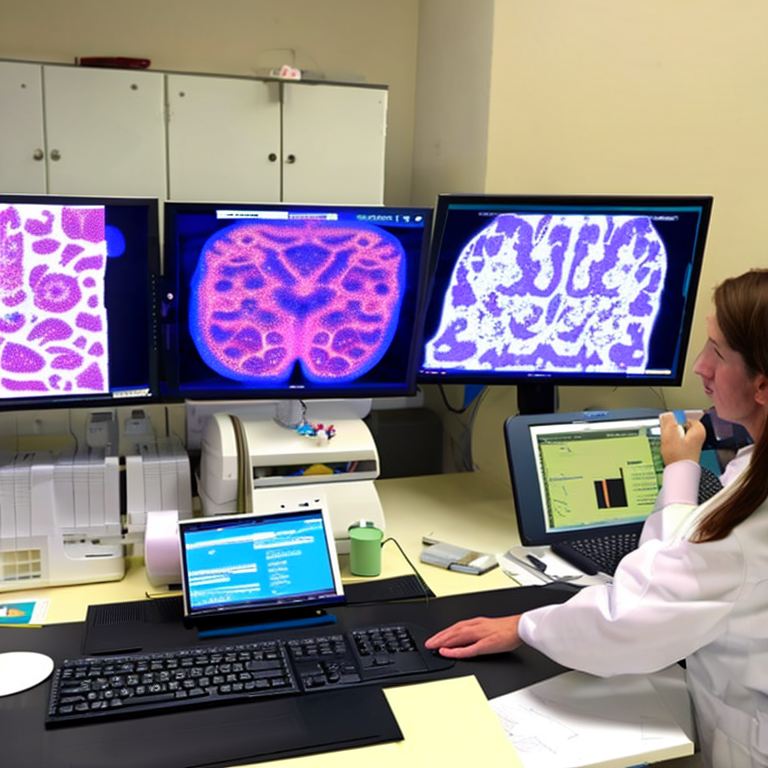
Digital pathology has the potential to revolutionize the field of pathology by improving the accuracy, efficiency, and speed of diagnoses. Additionally, it opens new opportunities for medical research and collaboration. While there are challenges and limitations to the technology, ongoing developments in artificial intelligence and image analysis hold promise for the future of digital pathology. It’s an exciting time in the field of pathology, and it will be interesting to see how digital pathology will continue to shape the practice in the years to come.